Services Individuals 16+
For Individuals & Families
Person-Centred services designed to support safety, dignity, and quality of life for individuals navigating complex behaviour, vulnerability, or repeated escalation. Engagement begins with a structured assessment to understand learning style, communication needs, strengths, and the environments in which challenges occur.
Services are delivered 1:1 and adapted to ensure understanding, emotional safety, and meaningful participation. We take time to build rapport and recognize that individuals referred for challenging behaviour or diversion may feel guarded or defensive at first. Supports are paced carefully, with a focus on practical skill-building rather than punishment or blame.
With the individual’s consent, family members or trusted supports may be involved to strengthen continuity and shared understanding. At completion, a clear written summary is provided outlining skills addressed and strategies that can be reinforced across home, school, or community settings.


Restorative or Reflective Programs
Purpose
Support accountability, reflection, and reintegration through structured, trauma-informed skill-building. These programs provide individuals with an opportunity to understand the impact of their behaviour, develop insight, and demonstrate responsibility in ways that are appropriate to their cognitive, emotional, and developmental capacity.
Recommended for
Individuals involved in low-risk or first-time incidents where insight development, education, and accountability are appropriate alternatives to punitive or exclusionary responses. These programs are particularly suited for individuals with intellectual or developmental disabilities who benefit from structured, supported reflection rather than adversarial processes.
Core elements
Guided reflection
Accountability statements
Skill-based reintegration planning
Outcomes include a documented statement of participation and accountability, along with a practical plan supporting safer participation in family, community, or service environments.


Online Safety & Social media Boundaries Program
Purpose
Reduce online vulnerability and promote safe digital engagement. These programs provide a structured space for individuals to understand online risks, recognize unsafe interactions, and develop practical skills for navigating online spaces such as social media, messaging apps, email, online games, and websites safely.
Recommended for
Online exploitation risk, unsafe communications, digital boundary concerns. The focus is on safeguarding against victimization, increasing awareness of manipulation and coercion, and supporting responsible, pro-social online behaviour rather than restriction.
Core elements
Online consent and privacy.
Safe versus unsafe interactions.
Response and reporting strategies. Outcomes include clearer digital boundaries and practical tools that support personal safety, lawful behaviour, and respectful online participation.
Social Boundaries & Respectful Relationships Programs
Purpose
Prevent escalation of sexualized or intrusive behaviours. These programs provide a structured, trauma-informed space for individuals to understand relational expectations, develop insight into boundaries, and build safer patterns of interaction with others.
Recommended for
Boundary issues, inappropriate communications. The focus is on increasing awareness, reducing risk, and supporting pro-social, respectful relationship skills rather than punitive responses.
Core elements
Consent concepts.
Public vs. private behaviours.
Safe alternatives. Outcomes include clearer understanding of expectations and practical strategies that support safe, respectful participation in family, community, or service environments.
Safe Choice Pathways – Judgment, Risk & Personal Safety Program
Purpose
Improve judgment and reduce vulnerability. These programs provide a structured, trauma-informed space for individuals to strengthen decision awareness, recognize risk factors, and build practical skills that support safer choices in everyday situations.
Recommended for
Poor peer influence, exploitation risk, decision-making concerns. The focus is on safeguarding against victimization, increasing insight into unsafe situations, and supporting independent, pro-social decision-making rather than punishment.
Core elements
Consequences mapping.
Safe decision frameworks.
Problem-solving skills. Outcomes include clearer judgment pathways and practical tools that support personal safety, lawful behaviour, and community-appropriate participation.
For Referral Sources & Service Providers
Structured, assessment-led services supporting individuals (16+) with intellectual, learning, or developmental disabilities who present with challenging behaviour, vulnerability, or diversion-related concerns. Engagement begins with clarification of behaviour drivers, readiness, and support needs to inform appropriate intervention pathways.
Services focus on skill-building, stabilization, and capacity development, delivered 1:1 and adapted to cognitive and communication profiles while maintaining accountability and program integrity. Particular attention is given to coping capacity, emotional regulation, and safe sequencing, recognizing that premature or misaligned intervention can increase risk and undermine outcomes. Clear written summaries are provided at completion to support continuity, informed decision-making, and reinforcement of strategies. Services may be used to support diversion-informed or alternative intervention pathways where appropriate.
Self Management & Emotional Regulation Program
Purpose:
Reduce reactive and disruptive behaviours by strengthening emotional awareness, impulse control, and practical self-regulation skills that support safe participation in daily environments.
Recommended for:
Impulsivity, anger outbursts, repeated conflict with peers or staff, difficulty maintaining relationships, emotional overwhelm, or early escalation that does not require therapeutic intervention.
Core elements:
Identifying emotional triggers and early warning signs
Practical coping and de-escalation strategies
Emotion-to-behaviour mapping
Safety and stabilization planning for high-risk moments

Accountability & Harm Awareness Programs
Purpose:
Increase understanding of harm, responsibility, empathy, and social impact by helping individuals recognize how their actions affect others and identify appropriate, non-punitive ways to repair harm.
Recommended for:
Boundary violations, inappropriate comments or behaviours, minor assaults or threats, mischief, or repeated rule-breaking where insight and accountability are limited.
Core elements:
Understanding rules, expectations, and social limits
Recognizing impact on others and shared spaces
Accountability statements and responsibility mapping
Repairing harm and relationships without punishment
Purpose:
Reduce reactive and challenging behaviours linked to past trauma or adverse experiences by increasing emotional safety, body-based regulation, and readiness for future supports—without therapeutic processing.
Recommended for:
Emotional dysregulation, fight-flight responses, crisis-driven police contact, repeated escalation, or individuals assessed as not yet ready for counselling or structured intervention.
Core elements:
Understanding trauma-based reactions (body and stress responses)
Early warning signs and trigger awareness
Grounding and calming strategies that work in the moment
Safe expression of distress and support-seeking
Personal safety and stabilization planning
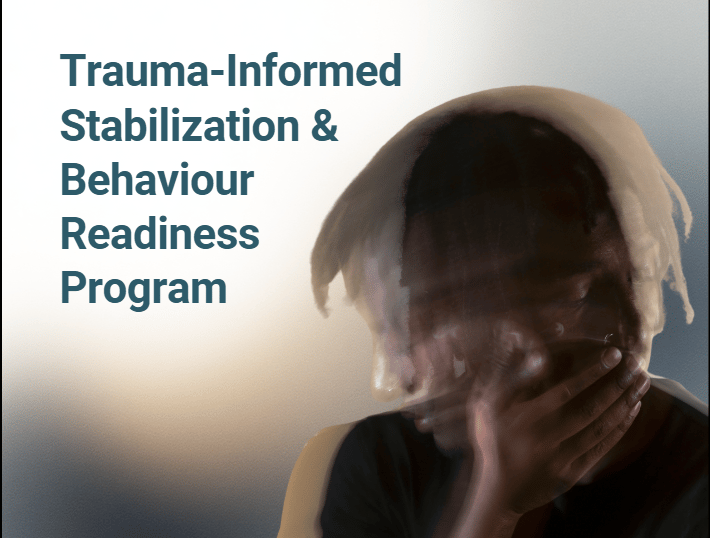
Trauma-Informed Stabilization & Behaviour Readiness Program
Contact
Reach out for support or questions
Phone
contact@insightbrs.com
1-519-540-4331
© 2025. All rights reserved. A Division of Clearpoint Inc.
Referrals accepted from: agencies, schools, supported living, justice-adjacent pathways, and families.
Ontario-wide: virtual delivery; in-person by arrangement.